

Is Chapter One Doing Its Job?
A Quick Gut-Check


This newsletter is made possible by my paid subscribers.
The first chapter of your manuscript doesn’t need to be perfect. It needs to do its job. What does that mean? Ideally, it’s the first spark on the climb toward your story’s climax—setting tone, establishing promise, and quietly asking the reader to follow your words a little further.
A strong opening isn’t about dazzling prose on every line or answering every question right away. It’s about momentum. Curiosity. A sense that something is already in motion and worth paying attention to.
If you’re wondering whether your first chapter is doing its job—or just treading water—here are a few concrete ways to tell.
1. It creates a clear question.
By the end of page one, the reader should be wondering something specific: What happens next? Why did this go wrong? Who is this person really? If there’s no forward pulling question yet, the chapter may be warming up instead of launching.
2. We know whose story this is.
Even in multi-POV books, chapter one should firmly plant us with one emotional lens. We don’t need a full backstory, but we should know who to follow and why we should care about their moment right now.
3. Something changes.
A strong opening isn’t just scene-setting. It has movement. A decision is made, a truth is revealed, a plan cracks. If you cut the chapter and nothing would be different afterward, that’s a red flag.
4. The tone matches the promise.
Chapter one is a contract. Is it funny, dark, cozy, sharp, romantic? Whatever it is, it should match the kind of book the reader thinks they’re signing up for. Confusion or a mismatch with their expectations is one of the biggest reasons readers stop reading.
5. You want to tweak it—not replace it.
This one’s more intuitive, but important. If your instinct is “this works but needs sharpening,” you’re probably close. If your instinct is “this is all wrong,” it may be the wrong entry point…but that doesn’t mean you need to toss the whole manuscript! Think about where you can start your story instead.
Action step:
Read your first chapter once without editing. When you reach the end, write down the question or questions it raises. If nothing comes to mind, that is not a failure. It is a clear and helpful signal about where revision will matter most.
Chapter one does not need to explain everything or prove anything. Its job is simpler and harder than that. It needs to open the door and give the reader a reason to step inside.
Where do you struggle most when writing or editing your first chapter? Writing can feel lonely, but the challenges are universal. If you’re willing, share in the comments—you might be surprised how many writers are right there with you.
Warmly,

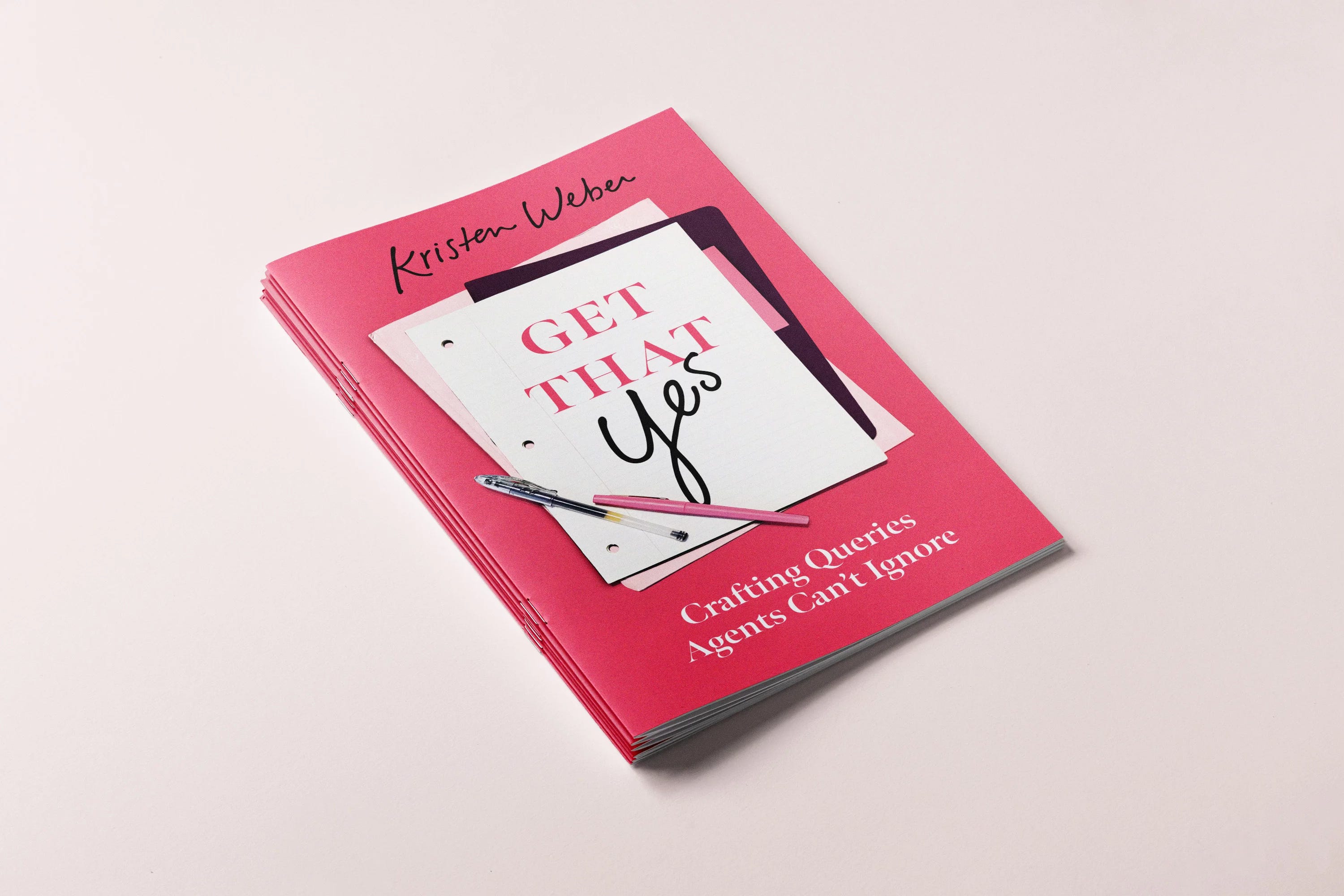
Upgrade your subscription to unlock my full guide, Get That Yes: Crafting Queries Agents Can’t Ignore—free and available instantly. You can also purchase it on its own for $3. And stay tuned for next month’s guide on writing a synopsis. Upgrade now, and you’ll get both.
I have written and rewritten my first chapter so many times, i thought it hit all the right notes but now not so sure. Maybe I need new eyes on it again.
So useful. Thank you!